What is happening across the modern digital landscape?
Global digital commerce demands omnichannel deployment and instant load times across multiple continents simultaneously. Traditional platforms with monolithic database-coupled frontends face severe bottlenecks when traffic and transactions scale exponentially.
Why this bottlenecks enterprise growth
Monolithic CMS platforms weighed down by dozens of generic plugins execute multiple heavy database queries per page visit. This destroys Core Web Vitals, causes crashes during high-traffic sales, and makes real-time inventory synchronization across multiple physical and digital channels impossible.
Architectural execution & implementation
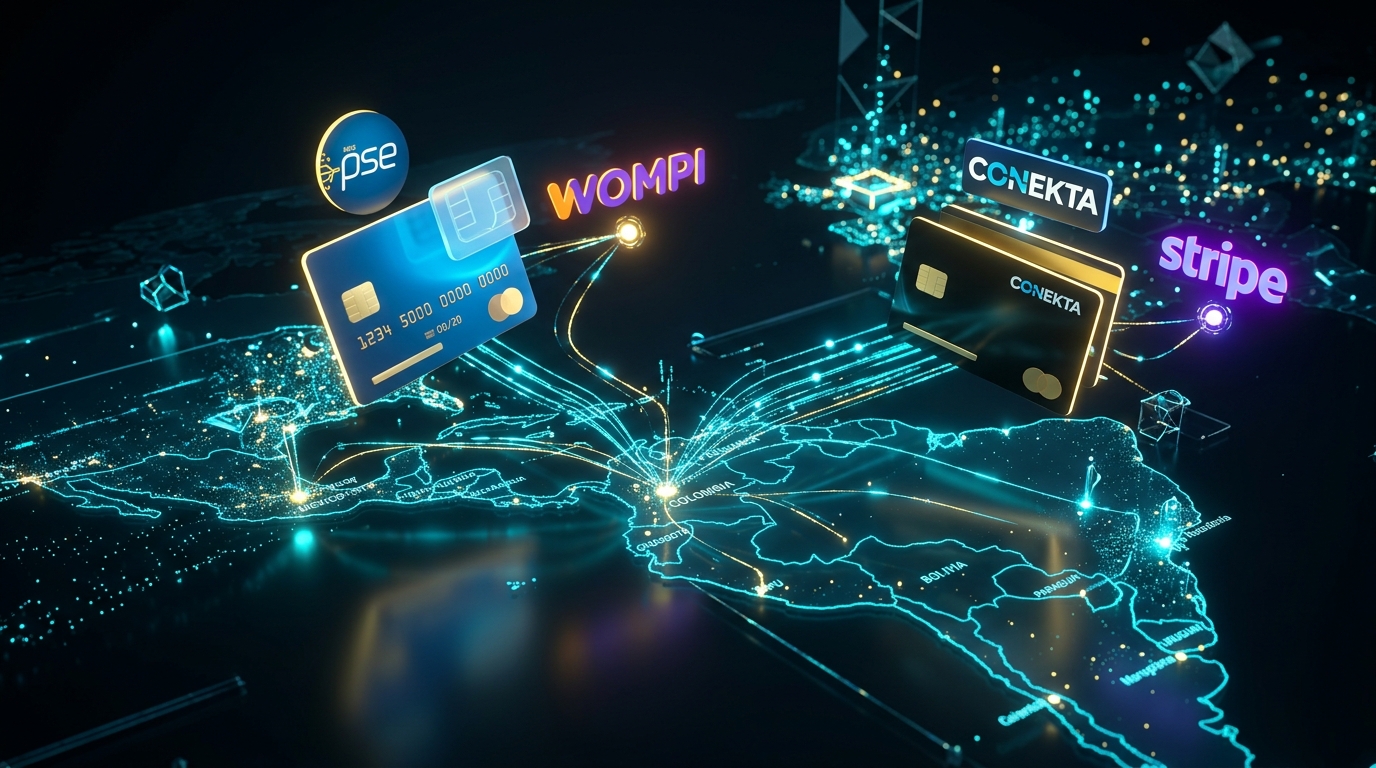
At Cinndev, we engineer Headless architectures using Next.js on the Edge paired with GraphQL/REST APIs. By decoupling the presentation layer from transaction logic, we achieve sub-second response times, perimeter security, and the freedom to connect any ERP or payment rail without risking system stability.
Case Studies with Related Architecture
Kayparts — E-Commerce & Massive Auto Parts Distribution
Soy Fungi — Niche E-Commerce & Botanical Wellness
Want to apply this architecture or integrate this technology in your enterprise?
Schedule a complimentary technical session with our senior engineers to evaluate feasibility, budget, and roadmap.